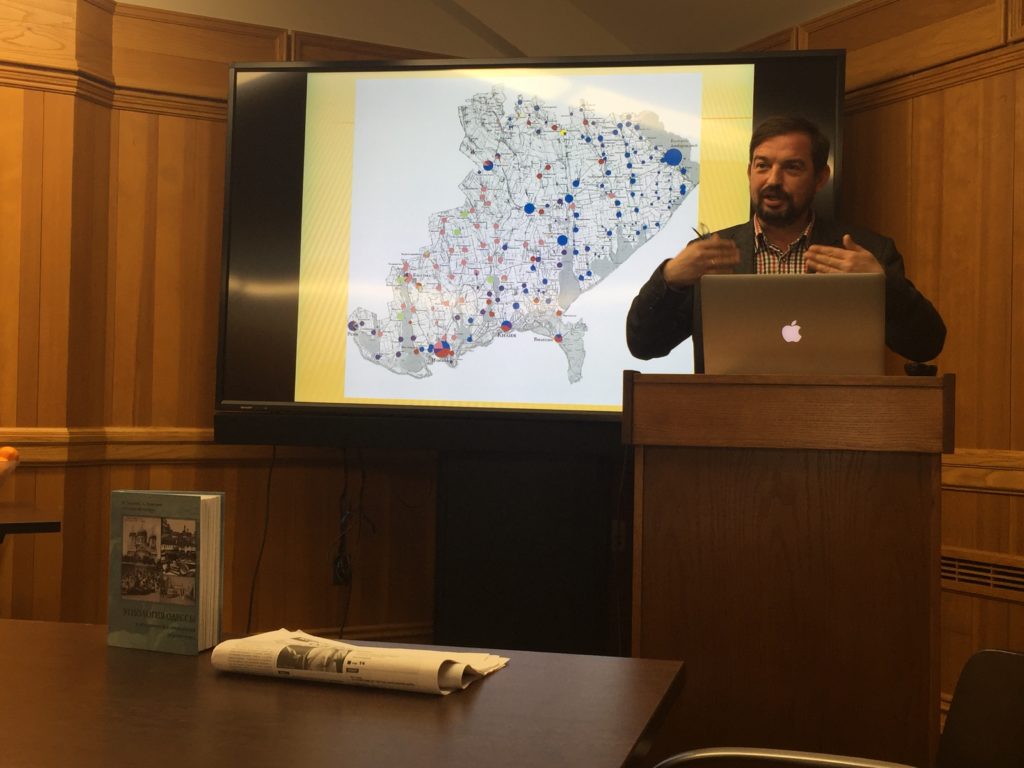
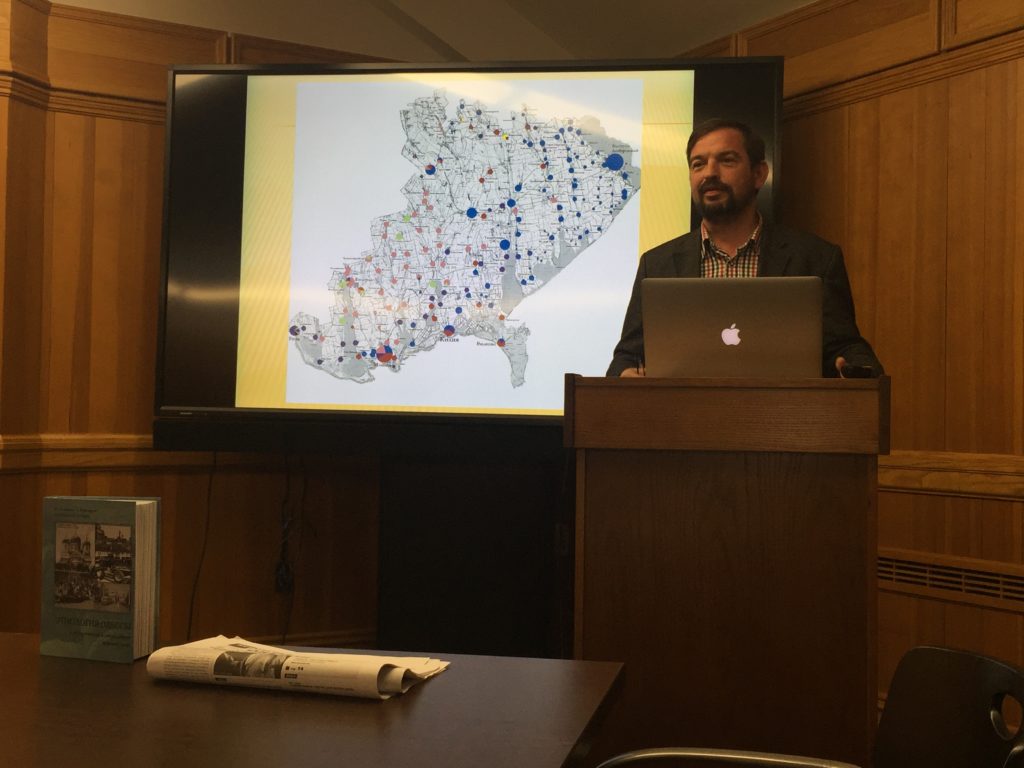
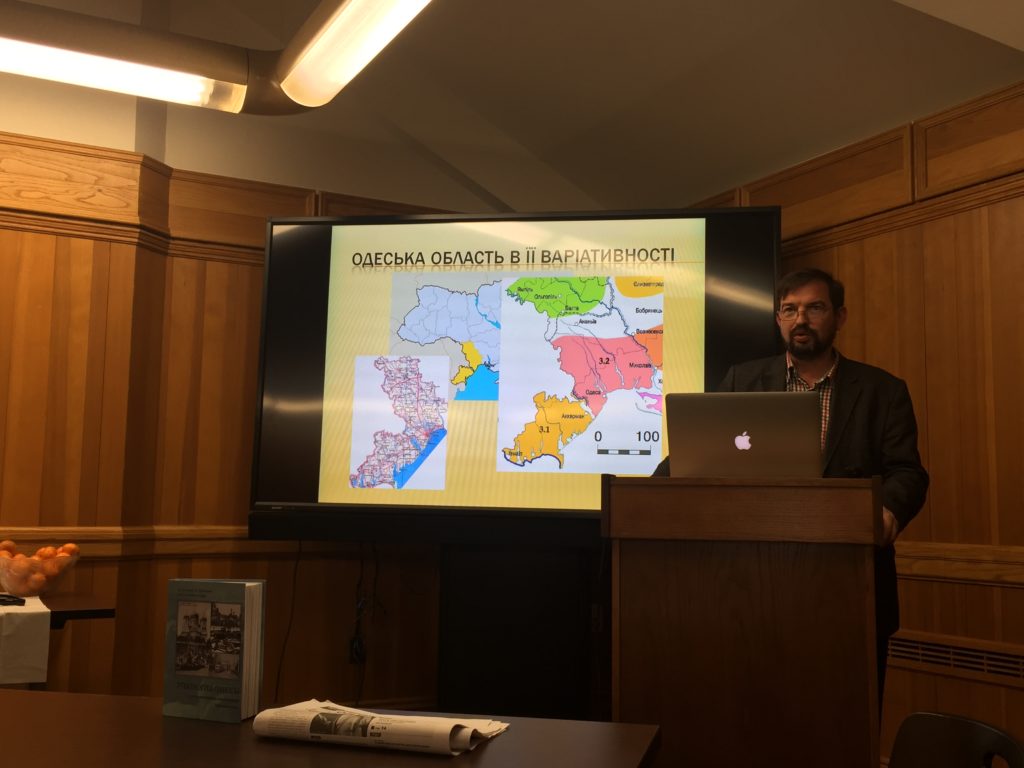
Odessa in European Vectors: The Fate of a Cosmopolitan City in Anthropological Perspective9 april, 2019, Stanford (USA), Stanford University, Center for Russian, East European and Eurasian Studies
Alexandr Prigarin presented his new book, The Ethnology of Odessa from Historical and Contemporary Perspectives. Odessa is an illustrative case of a cosmopolitan city of the Black Sea and Eastern Europe. A relatively young city (founded in 1794), it developed rapidly in comparison with many other European cities.
Two characteristics of the development and expressiveness of this modern city are its successful commerce and the polycultural structure of its inhabitants. The first characteristic has long been studied, and the historiography of this problem is widely represented; the second one – “multiculturalism” – was used only on the level of everyday consciousness and daily routine practices.
What is the role of this “melting pot” in the history of Odessa? How can we study this phenomenon? Which experience of interaction between cultural traditions can be applied outside of Odessa? The speaker addressed these questions in this lecture that reflects the results of an international urban study of a cross-cultural port city.
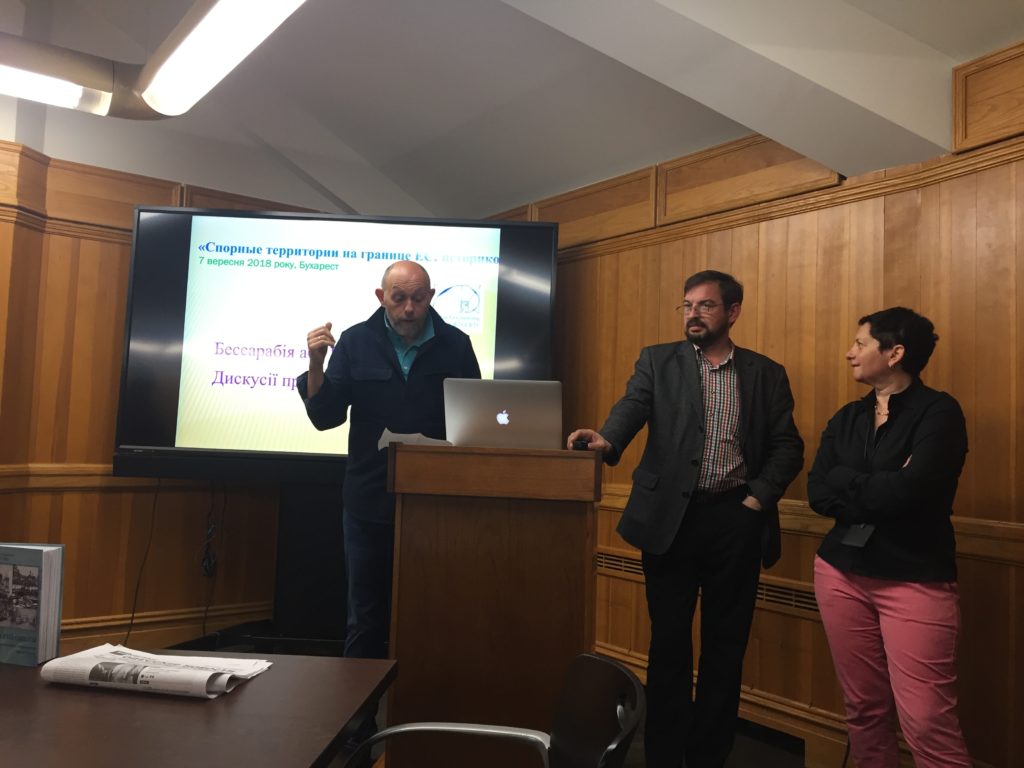
Speakers